


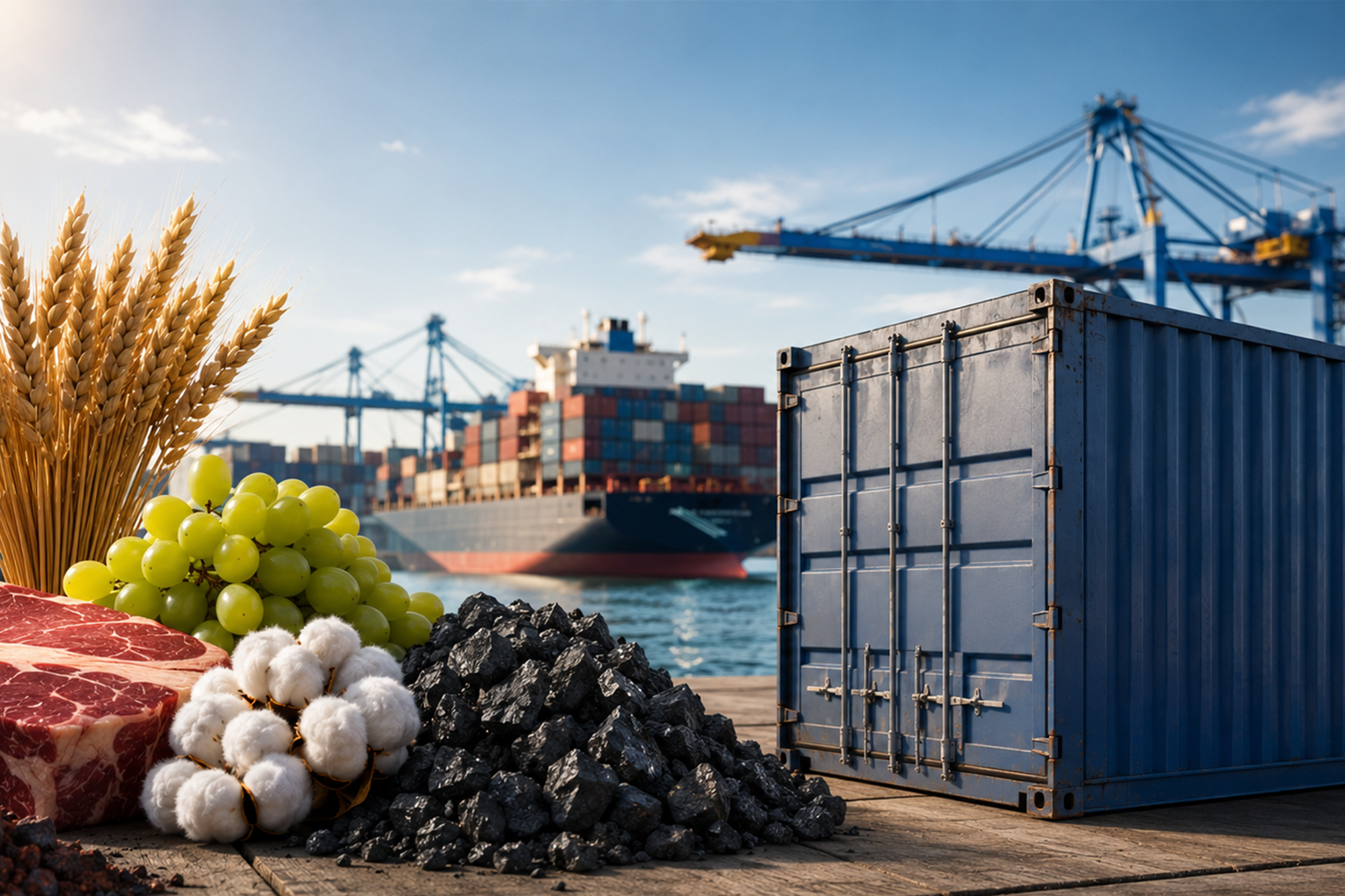
Under the proposal, Australian exports to the US could be subject to a 12.5 per cent tariff. The measure forms part of a broader investigation by US trade authorities into the practices of 60 nations. According to American officials, countries that fail to stop importing goods connected to forced labour create unfair competition.
Australia has been grouped with several major economies which would all face the higher tariff rate. Other trading partners, such as Canada, the United Kingdom, Mexico, and EU members, will be subject to a lower proposed tariff.
The Australian government has rejected the suggestion that its trade practices contribute to forced labour. Officials argue that Australia has some of the strongest modern slavery and labour protection laws in the world. Canberra has also stated that any new tariffs would conflict with the Australia–United States Free Trade Agreement and are therefore unjustified.
The proposal is not yet final and will be reviewed through a public consultation process. Hearings are expected to begin in early July, letting governments, businesses and industry groups provide feedback before any final decision is made.
A temporary 10 per cent tariff currently imposed by the Trump administration is due to expire later in July, after a US Supreme Court ruling challenged the legal basis for earlier tariffs. As a result, US authorities are exploring alternative mechanisms to maintain trade restrictions.
The investigation behind the proposed tariffs was conducted under Section 301 of the Trade Act of 1974. It concluded that all countries examined had shortcomings in enforcing bans on products linked to forced labour. The report highlighted the continuing global scale of the issue, citing international estimates that tens of millions are trapped in forced labour conditions.
The United States has focused particular attention on products originating from China’s Xinjiang region. However, its concerns about forced labour extend across numerous industries and countries. Examples identified in the report include agricultural products, textiles and industrial materials.
Several categories of goods would be exempt from the proposed tariffs. The outcome of the consultation process will determine whether the measures proceed and what impact they may have on international trade relations.
Contact Accountancy Insurance
We would love to hear from you.
About Accountancy Insurance
Thousands of accounting firms offer our tax audit insurance solution, Audit Shield to their clients.
Find out why.